
HAU TAKI HAERE Tertiary Update No 16, 2026.
28 August 2026
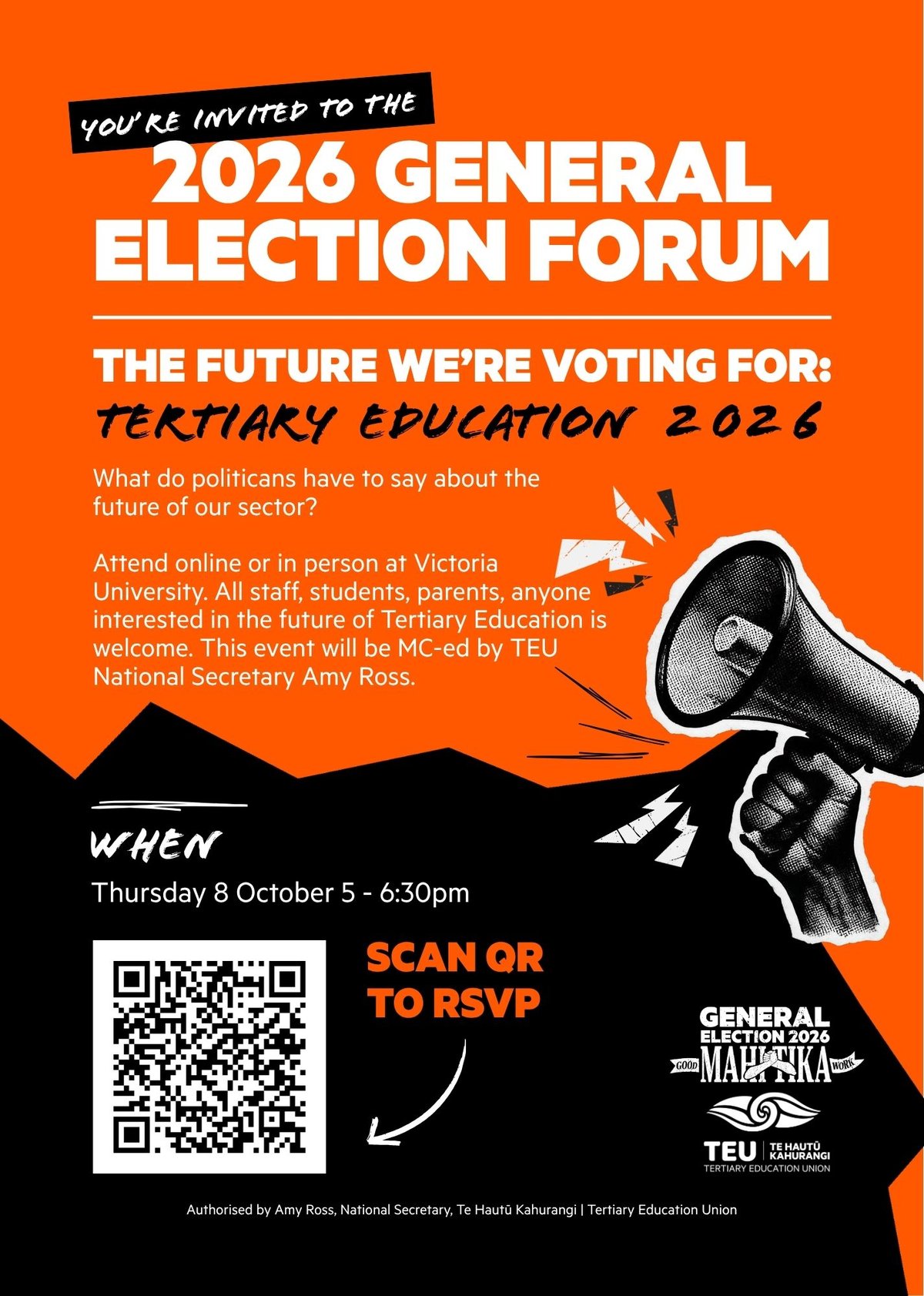
2026 General Election forum - The Future We're Voting For: Tertiary Education 2026
Register to attend our election forum! You can attend either online or in person if you are in Wellington.
All the political parties which are currently in Parliament, as well as the Opportunity Party, have been invited to send their Tertiary Education spokesperson. The forum will be MC-ed by TEU National Secretary Amy Ross.

When: Thursday 8 October 5 - 6:30pm
Where:
- In person: Maclaurin Lecture Theatre, Kelburn Parade, Kelburn Campus, Victoria University, Wellington
- Online: we'll be in touch with further details including the link to join the forum remotely
We’ll also be calling for the questions you want asked – so start thinking about those.
When Members Win, We All Win
One of the most powerful parts of a union is knowing that concerns about fairness can be raised, explored, and addressed together.
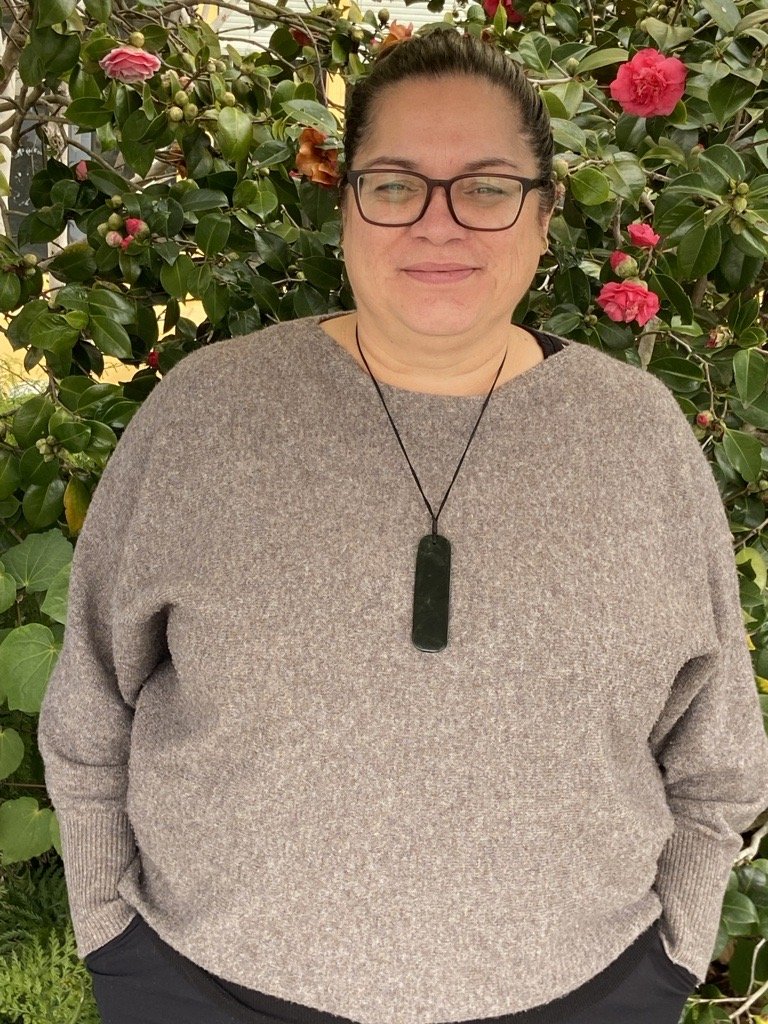
Recently, TEU member Angela Haggerty, employed at EIT as a Secondary Schools Partnership Administrator, noticed something that didn't seem quite right. Angela became aware that another employee performing the same role was being paid at a higher salary band in the collective agreement. Angela raised the issue with her employer who said that the difference stemmed from a historical job-sizing error and that the arrangement would remain unchanged.
For some, that might have been the end of the matter.
However, Angela continued to seek clarification. Having raised the issue previously without success, she remained concerned that the situation did not reflect the principle of equal pay for equal work. With the support of TEU Organiser Georgia Davey, she gathered information about the role, reviewed its history, and sought a fresh conversation with the employer. Together, they presented the case for a review.
As a result, the role was re-evaluated and ultimately placed in a higher salary band. The member received a salary increase along with backpay, and colleagues in the same role also moved to the correctly aligned band.
What made this victory possible?
Firstly, Angela was prepared to speak up. Even after being told “no”, she continued to question an outcome that did not seem fair. Secondly, there was collective support. Angela did not have to navigate the issue alone. Working together with her union meant there was experience, advocacy, and persistence behind her case. Finally, there was a commitment to seeing the issue through, even when progress was slow.
This story highlights the value of asking questions when something doesn't seem right and being willing to engage in a constructive process to find a resolution.
It also demonstrates the importance of support. Having the backing of her union meant the member was not navigating the situation alone. She had access to advice, advocacy, and experience throughout what became a lengthy process.
Another important aspect of this story is transparency. The issue only came to light because employees were willing to talk openly about their pay and conditions. Those conversations helped identify a discrepancy that may otherwise have gone unnoticed.
Angela's case reminds us that collective action works. When members speak up, support one another, and work together in union, positive change is possible. Sometimes that change is a pay rise. Sometimes it is backpay. Sometimes it is simply having an employer acknowledge and fix an injustice. Whatever the outcome, each win demonstrates the value of membership and the power of collective strength.
Success stories remind us that challenging unfairness can make a difference, and that persistence, solidarity, and collective action deliver real results. Because when one member wins, we all win.
Launching our official delegate structure
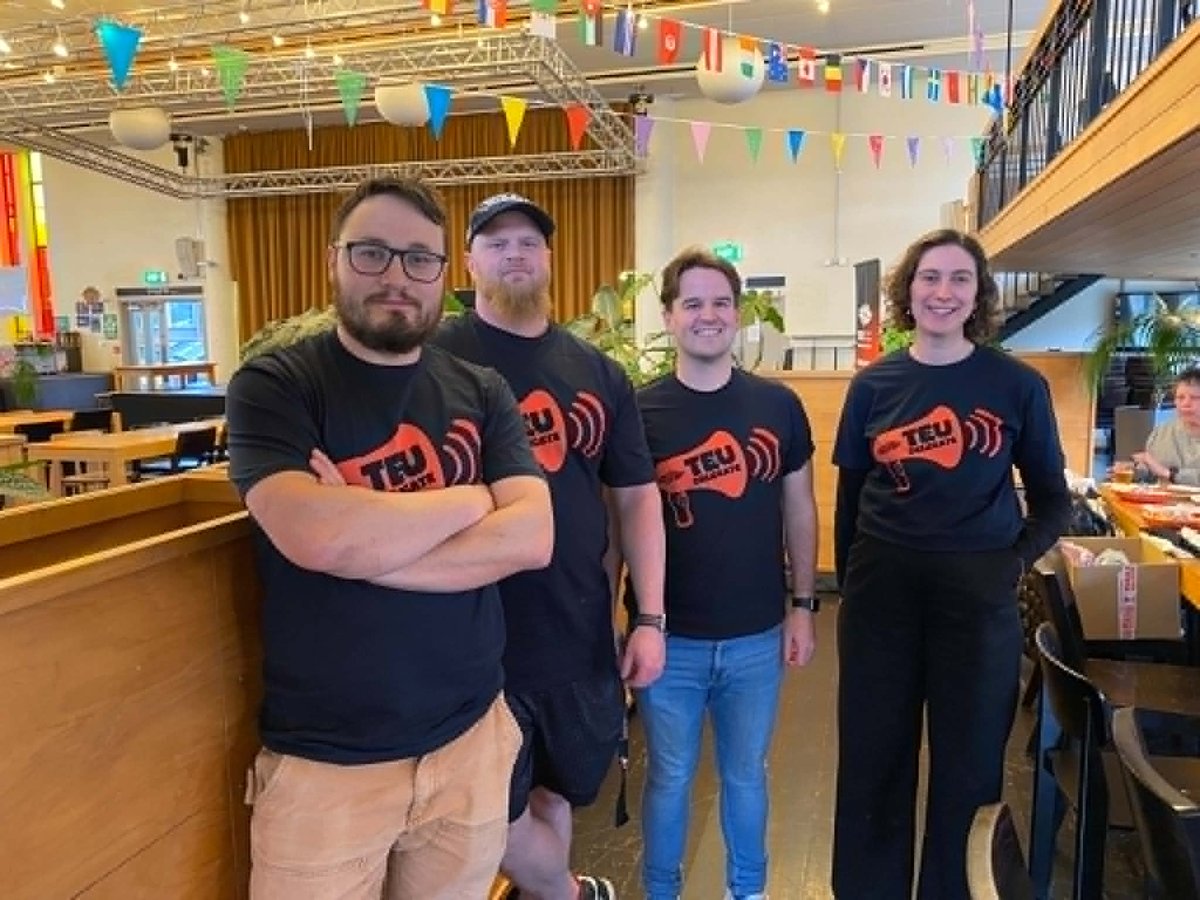
A t the end of August, delegates, branch leaders, and National Committee members gathered at Te Herenga Waka Victoria University of Wellington to officially launch and celebrate the vital role and contribution of TEU delegates.
The event followed the formal recognition of delegates in the TEU Constitution at Annual Conference earlier this year, marking an important milestone for our union.
Those attending represented the full breadth of TEU membership, including colleagues from universities, polytechnics, research institutes, and private training establishments across the Wellington and Palmerston North regions.
The launch also provided a valuable opportunity to connect, share experiences, and receive some of the new TEU delegate-branded merchandise that recognises and celebrates the important work delegates do. It was a wonderful occasion, bringing together a diverse mix of delegates, from those newly stepping into the role to long-standing activists and leaders. Conversations flowed easily as people exchanged ideas, built connections, and discussed the issues and challenges facing members across the sector.
Most importantly, the event acknowledged the collective mahi of delegates, whose commitment and leadership strengthen our union every day.
If branches are interested in recognising all their delegates by purchasing tee-shirts, or tote bags please get in touch here.
Academic freedom isn't for sale
In this year’s collective agreement bargaining, the TEU has a claim directly challenging a section of the Employment Relations Amendment Act 2026 that removes the right of employees earning over $200,000 to take a personal grievance against their employer. Our claim seeks to retains this provision. Academic freedom should not pivot on how much one earns. While this provision affects a smaller subset of members, the TEU argues it is egregious because of its chilling effect on academic freedom; a cornerstone of the university mission. So far, some universities have agreed to our claim, but institutions remain resistant, creating a patchwork of protections the TEU is determined to unify.
Given the climate of dissenting voices being increasingly suppressed, the TEU insists we must protect academics’ freedom and responsibility to speak truth to power. TEU member and Massey University Professor Mohan Dutta warns that the act “…has particular implications for senior academics, who carry responsibilities to critique university management, challenge managerialism and market driven neoliberal reforms, scrutinise institutional decision making, and hold governments and powerful interests to account.” Such critique, he says, is “…not peripheral but central to the university’s democratic mission”.
National President Māori Garrick Cooper adds: “A personal grievance is the last line of defence against the suppression of academic freedom. An employer who doesn’t protect the right to raise a personal grievance of someone whose academic freedom has been suppressed is effectively shutting down any recourse to protecting academic freedom; a legislated freedom, duty and responsibility.”
Without this claim being made part of the employment agreement, even principled critique becomes vulnerable to unchecked managerial power, and the university’s democratic mission risks being hollowed out. As bargaining continues, the TEU bargaining teams urge university representatives to recognise that protecting academics is about institutional integrity, not privilege. The outcome will set a crucial precedent for defending academic voices, regardless of what one earns.
Tagata Pasifika Network (TPN)
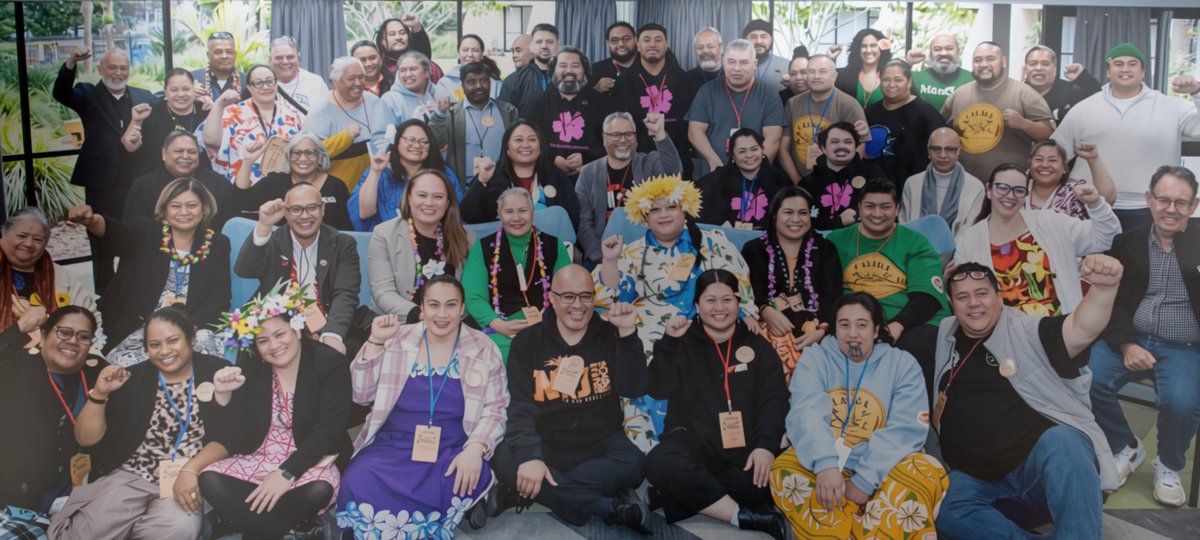
The Tagata Pasifika Network (TPN) is the collective voice of Pasifika members within TEU. We advocate for Pasifika staff, strengthen representation within the TEU, and ensure Pacific perspectives help shape TEU policy, governance, and advocacy.
Highlights from the past year include:
- Hosting online talanoa and member meetings to connect and support Pasifika members.
- Contributing to the review of several TEU policies.
- Organising a Pasifika Fono at MIT and participating in the CTU National Biennial Fono in Auckland.
- Successfully securing two Pasifika representative positions on the Industrial and Professional Committee (IPC) through a remit to Annual Conference.
- Beginning work to raise the profile of TPN through a quarterly newsletter, website content, wider member engagement, and the development of the 2026-2027 TPN Workplan.
Looking ahead, TPN will focus on implementing the new workplan, strengthening member engagement, and continuing talanoa on how Pasifika is defined in the TEU Constitution. Our goal is to build a responsive, inclusive, culturally safe, and influential network that supports Pasifika members across the tertiary sector.
We encourage Pasifika members to get involved, participate in TEU delegate training, and consider leadership and governance opportunities within the union. If you're not yet a member, we warmly invite you to join TEU and help strengthen our collective voice.
TPN Advisory Group: Sonny Liuvaie (Co-Chair), Tanya Samu Wendt (Co-Chair), Cheryl Talamaivao, Yvonne Maru, Sateesh Pisini, Kaysee Savali, and Michelle Schaff.
Together, our collective voice is making a difference for Pasifika staff, learners, and communities.
To learn more about this network or TEU's other networks follow this link.