
HAU TAKI HAERE Tertiary Update No 15, 2026.
18 August 2026
Universities and polytechnic members are in bargaining now, negotiating for Mahi Tika.
University bargaining update
Members across six universities are now all in negotiations for new collective agreements, bargaining for a real pay rise (6% year one and 5% year two), a living wage, secure work, and more.
Members at every university currently in bargaining, with the exception of the University of Auckland, have now held report-back meetings and voted overwhelmingly to continue our campaign for a genuine pay rise. Members have also made it clear that they are prepared to consider any further action that may be necessary. University of Auckland members will attend their report-back hui later this week.
Postcard messages to Vice-Chancellors are being compiled across the sector. Members are urged to participate in campaign activities and keep talking with colleagues about the difference good work would make and how we win together.

Polytechnics
Members across the country have written messages of support for our multi-employer collective agreement (MECA) bargaining – last week these messages were delivered to all the employer parties.
The negotiations for a polytech multi-employer collective agreement (MECA) continue to be stalled due to the employer parties' unresponsiveness to the TEU member claims and a lack of willingness to participate in bargaining. TEU has filed with the Employment Relations Authority (ERA) for facilitated bargaining.
Branch leadership and delegates will now be inviting members to raise the visibility of negotiations by starting discussions with ākonga because our work conditions are students' learning conditions.

Secure Work Network launches!
TEU’s new Secure Work Network has officially launched, creating a national space for members to organise around the insecure and precarious work that has expanded dramatically across the tertiary sector over the past decade.
More than 40 members have already joined the network, bringing together people with direct experience of fixed-term, casual, fractional and otherwise insecure work, alongside members committed to making secure employment is the norm across the sector.
Network member and TEU Co-President Tiriti, Ti Lamusse, says the network is about turning an experience that can feel intensely individual into a collective issue.
“Precarity thrives when people are isolated and made to feel that their insecurity is their own fault. This network is about bringing those people together and turning that shared experience into collective power. Secure work gives people the freedom to plan their lives, do their best work and speak up. That is good for members, students, and the whole tertiary sector.”
Insecurity is about much more than the length of an employment agreement. It can mean unpredictable income, repeatedly negotiating for the next piece of work, putting major life decisions on hold, and feeling unable to speak up.
This prolonged insecurity can inflict serious psychosocial harm, producing chronic stress, anxiety and exhaustion. Its effects go well beyond individual members. Insecurity undermines the quality of education for students, discourages ambitious and independent research, weakens institutional knowledge, and makes it harder for staff to take risks, challenge poor decisions and contribute fully to the public good.
The Secure Work Network will connect members across branches, develop organising and campaigning strategies, strengthen the voice of precarious workers within the TEU and build the evidence and collective power needed to win more secure work.
The network will hold its first NGM on Wednesday 9 September. Members are encouraged to come along, help set their priorities and take part in building a tertiary sector where secure work is a right, not a privilege.
TEU in the media
TEU members Finn Illsley-Kemp and Antonia Verstappen spoke to Radio New Zealand's Nine to Noon on Wednesday last week about insecure work in universities. You can listen to that interview here.
Read the media release Franken-jobs becoming the norm in our universities.
TEU member Sean Phelan spoke to Newstalk ZB about a proposed restructure at Massey University. You can read the media release here.

General Election Toolkit
Exciting news! Our new TEU General Election Member Toolkit is here.
The 2026 General Election is a chance to shape the future of tertiary education, pay equity, and our rights at work. That's why we've created a practical toolkit packed with resources to help members get involved, have conversations, organise local activities, engage with candidates, and encourage enrolment and voting.
Inside you'll find:
- Our key election priorities for tertiary education, pay equity and better rights at work
- Guidance on your rights to participate in democratic debate
- Ideas for local actions and member engagement
- Resources for meeting candidates and organising election events
- Tools to encourage colleagues, students, friends and whānau to enrol and vote
This election let's make our voices heard and build momentum for a more equal Aotearoa with high-quality, accessible tertiary education at its heart. ✊
You can find the toolkit here.
UniSaver campaign update
The retirement savings of TEU members across the motu currently fund and profit from genocide and apartheid. UniSaver, the retirement scheme at seven universities, has holdings in Israeli weapons manufacturers Elbit Systems, as well as Palantir Technologies, both companies who have a direct and demonstrable role in the ongoing genocide of Palestinians in Gaza. The fund also has holdings in banks identified by the United Nations as supporting illegal Israeli settlements; two of these banks were excluded by the NZ Super fund in 2021 on the grounds there was an unacceptable risk the banks were materially contributing to breaches of human rights standards.
However, members at universities in bargaining have claims about getting members' retirement funds out of genocide. TEU members in University Workers for Palestine have been campaigning for two years for UniSaver to develop a much more robust policy for ethical investment, to ensure our retirements aren't built on genocide and apartheid. University Workers for Palestine have talked to leaders at various universities, to UniSaver board members, and gathered hundreds of signatures for open letters.
Universities' senior leadership can and should direct the UniSaver board to adopt a responsible investment policy that precludes genocide and apartheid. We would encourage TEU colleagues to support your bargaining team to fight for this claim. And if you would like to find out more about the University Workers for Palestine campaign, please contact Amanda Thomas at Amanda.Thomas@vuw.ac.nz.
TEU Obituaries
We mourn the loss of two very dedicated TEU members in this issue of Tertiary Update – Craig West and Sheeanda McKeagg. Our thoughts are with their colleagues and loved ones.
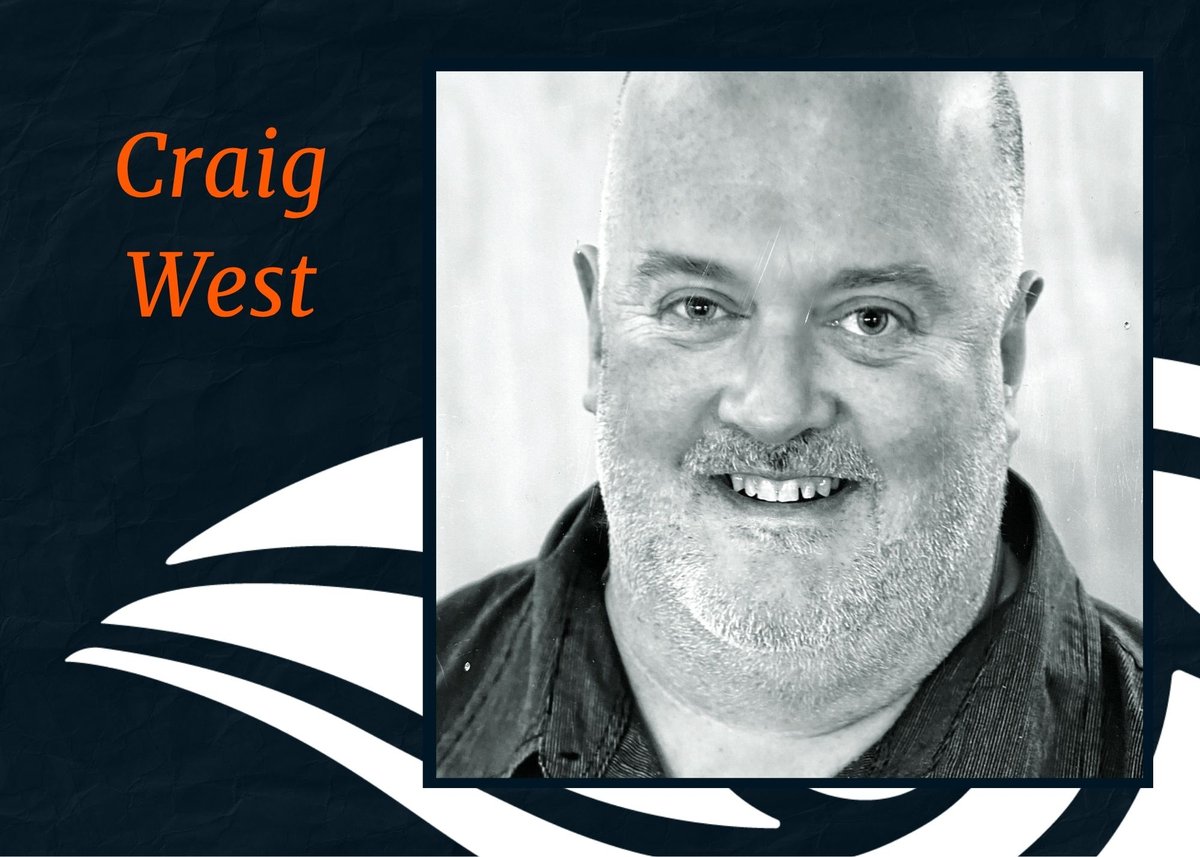
Some words from Craig's Otago Polytechnic colleagues:
Craig, “Westy”, “Union Dad” as many of us called him, led our TEU branch as President and Co-President for 15 years. During that time, he grew it into the largest ITP branch by a long way, but more importantly, he built a union that people felt belonged to them.
Craig was determined that general and allied staff had just as much of a voice as academics. He made the effort to sit down with people, listen, and make sure they knew the union was there for them. You could often spot him in his TEU t-shirt, chatting to people about the union and recruiting members, one conversation at a time.
He also had a real knack for seeing potential in people. Whether it was a branch role, a national committee or National Council, Craig would often see something in you before you saw it yourself. He’d tell you he thought you’d be good at it, then be there to support you when you took it on.
Under his leadership, the branch grew to more than 400 members. But numbers aren’t what stand out when we think about Craig. It’s the people he supported, the confidence he gave them, and his determination to make our working environment a better place.
Craig, “Westy”, “Union Dad”, you will be deeply missed.
Moe mai rā e hoa, e te rakatira, e hoa. Fly with all the aroha and tautoko you united us in.
Gail Arthur, is the organiser who worked closely with Craig, said:
It was my absolute privilege to work alongside Craig over the last two years.
Craig was the best kind of human being, he didn’t judge people, he listened and provided practical and sensible advice with a pinch of dry wit thrown in.
Members always felt valued and heard. Craig continued to put others first through the many ups and downs during his three and a half year battle with terminal cancer. He never complained. A truly humble man of great integrity and I will miss him.
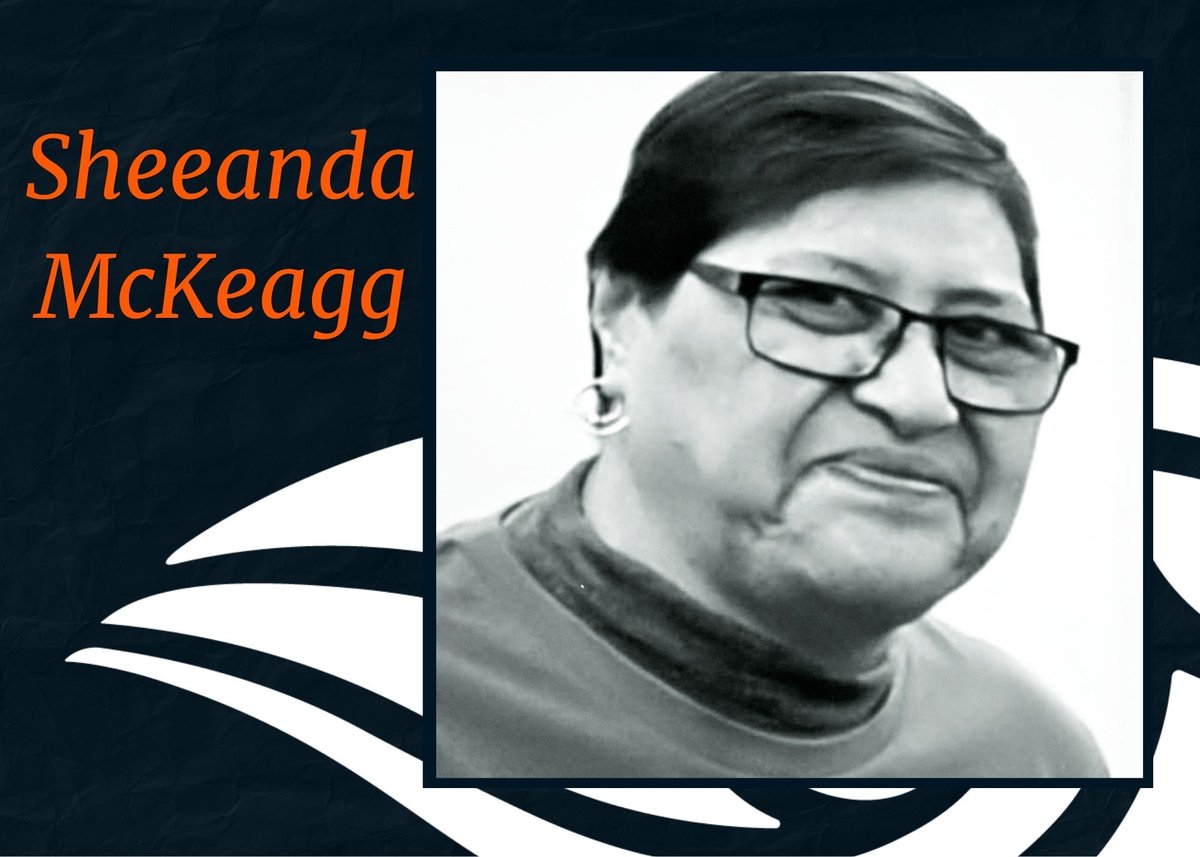
Some words from Sheeanda’s colleagues at Massey University:
Our dear comrade and friend Sheeanda McKeagg has passed away. While words in this update cannot do Sheeanda justice, she was a staunch Māori union leader who shaped our union, collective agreements, and workplaces for the better both at Massey University and nationwide – while still always having time to tautoko her library colleagues and Te Uepū members.
Sheeanda was instrumental in winning clauses in the Massey University Collective Agreement including Domestic Violence Leave, Wananga Leave, Recognition of Tikanga Māori and Te Reo Māori Skills, and more; many of which now serve as model clauses for the tertiary sector to work towards achieving.
TEU Massey University Branch Co-President and Vice-President (Māori) of IPC Te Awatea Ward said that “there were many people that Sheeanda touched, whether in a little way or a big way. She was an advocate for Māori and Te Tiriti rights at Massey, but also for all people who suffered inequity. Sheeanda had a strong sense of social justice and was not afraid to speak her mind if she felt something was not tika”
“She served a number of years as Branch President and changed so many things such as Wānanga Leave because she saw staff doing wananga after wananga burning out, tikanga and Te Reo payment, and more. She made such a significant difference to all of us, Māori and non-Māori staff at Massey University. But it didn’t end there as many of these clauses others now fight for across the motu. Even in my last moments with her she still gave me a to do list of all the clauses she wanted to change at Massey.”
“I want to attest also to level of care and aroha for every person she held. When I first met her I was a bit scared, then I realised what this hardness was hiding, just like a mallow puff – crunchy on the outside and soft on the inside with a beautiful aroha and wairua that cared for people.”
“She has had a huge impact, and I don’t think any of us will ever really know how much of an difference she made.”